
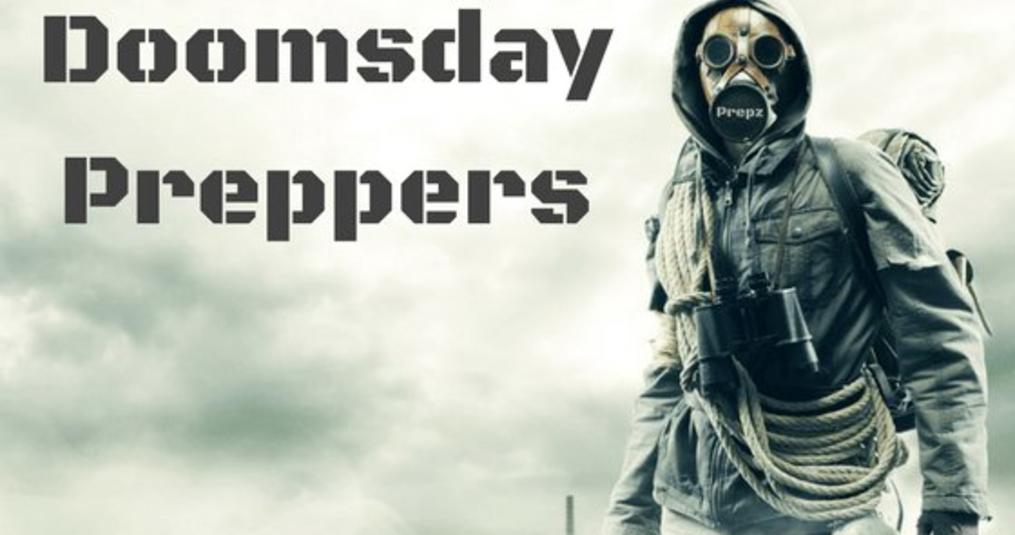
Doomsday preppers and everyday preparedness
Prepping need not be extreme. Start with useful supplies at home, household plans and practical skills you can practise.
The word prepper can bring bunkers and television scenes to mind. In everyday life, preparation can be much simpler: knowing where the torch is, keeping food at home and agreeing what to do if your phone is unavailable.
What does prepping mean?
Prepping means preparing. One person wants to manage a short interruption; another enjoys gardening, outdoor cooking or repairing equipment. An interest in self-reliance and an emergency supply can complement each other without requiring the same equipment.
Television is not a shopping list
The familiar name Doomsday Preppers puts the focus on large scenarios. That picture does not have to fit your household. Begin with a smaller question: what would become difficult here if electricity, water or internet were temporarily unavailable?
Someone who depends on electrical equipment needs a different plan from someone who mainly needs lighting and phone charging. Limited storage space also changes what is practical to keep and maintain.
Start with your own home
The Netherlands' Denk Vooruit campaign combines emergency supplies, an emergency plan and contact with others. Use those themes as a starting point, adapted to your household, health, pets and location. Follow your own country's local guidance where relevant. Read about Denk Vooruit (Dutch).
- Check which useful supplies you already have.
- List what is missing and what needs maintenance.
- Agree on a contact person and meeting place.
- Consider who may need help and who could help you.
Skills grow through practice
Try the radio, learn to use your power bank and make a meal from your stored food. You may find that a simple addition helps more than a large new kit. Outdoor skills can be practised separately somewhere you have permission.
Choose a manageable next step
Use our practical preparedness guide and work through one subject at a time. Compare your list with emergency kits, checking which personal additions are still needed. For outdoor skills, read bushcraft for beginners. Preparation need not be a competition: aim for a plan you understand and maintain.