
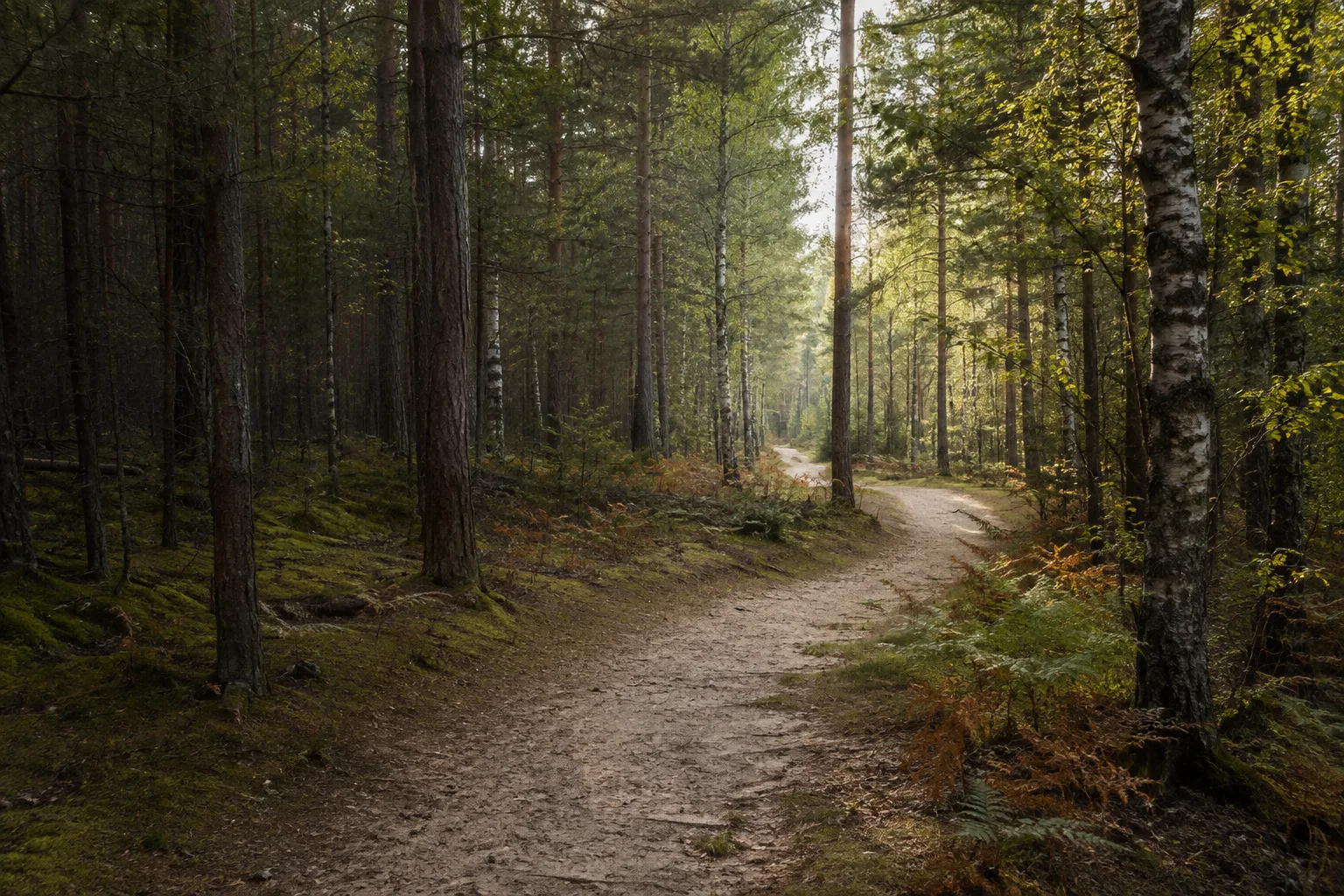
Bushcraft for beginners: making a good start
Choose your first activity, pack a useful set of essentials and understand what a cooking set or beginner kit can and cannot provide.
You can start bushcraft with a short afternoon outdoors. Pick one skill to practise, bring your own food and drinking water, and make it easy to get home. You will discover which equipment you actually use before buying a larger set.
This beginner guide helps you choose a first activity, pack your bag and assess a kit. For the main subjects and related equipment categories, visit our survival and bushcraft guide.
1. Choose a suitable first activity
Bushcraft is about outdoor skills and using materials thoughtfully. Survival is primarily about coping when a situation goes differently from your plan. Your first bushcraft afternoon does not need to depend on what you can find along the way.
- Map reading: choose a familiar walk and compare the map with recognisable landmarks. Make the route available without mobile reception.
- Shelter: practise pitching, tensioning and packing a tarp at a suitable place where you have permission.
- Outdoor cooking: bring a simple meal and your own drinking water. Learn to use your cooking equipment according to its instructions, at a location where it is allowed.
Practise unfamiliar tools or fire techniques with guidance. The aim of the first afternoon is to improve one skill and get to know your equipment.
Browse rope and cord for your setup or explore camping equipment.
2. Establish where you may practise
Permission to walk somewhere does not automatically permit making a camp, collecting wood or staying overnight. Read access signs and ask the land manager about your intended activity. Dutch land manager Staatsbosbeheer specifically refers visitors to the rules of each area. Take your litter and equipment home. Read Staatsbosbeheer's access rules (Dutch).
If you want to practise fire lighting, choose a site where it is permitted. Even a campsite with a fire area may change its rules because of drought or wildfire risk. Check again on arrival. Natuurkampeerterreinen explains how to find suitable sites in the Netherlands (Dutch).
You do not need a fire for a successful afternoon. Map reading, pitching a tarp and testing your equipment work without one.
3. Pack a useful set of essentials
Match your bag to the route, weather and possible delays. The US National Park Service's Ten Essentials is a useful overview of functions: navigation, protection from sun and cold, lighting, first aid, food, water, tools and emergency shelter. Adapt these functions to your trip; it is not one identical shopping list for every destination. Read the Ten Essentials.
- Food and drink: bring enough for the plan and some extra time. Find reliable drinking-water points beforehand.
- Warmth and dryness: rainwear, an extra layer and dry-packed spares. Overnight trips also need suitable sleeping equipment and shelter.
- Route and contact: an offline map with a usable backup. Share your destination and return time with someone staying behind.
- Lighting and first aid: a working light, suitable power and a first-aid kit you know how to use. Add personal supplies.
Compare backpacks, browse lighting and check first-aid kits. A water filter is an addition only when your intended source and the filter's capabilities are suitable. Compare outdoor water filters and always read the model's limitations.
4. What can a beginner kit do?
Assess a set by the task it solves. A cooking set can combine pans, a stove and cutlery. A tool set contains equipment for repairs or working with materials. Neither replaces food, water, clothing, navigation and the rest of your packing list.
The existing nine-piece BCB Survival Cooking Set lists pans, a stove, fuel and cutlery among its contents. Check the current contents and instructions, and add your own meal and drinking water. It is a cooking set, not a complete overnight kit.
- Check what you already own and what a set would duplicate.
- Compare weight, dimensions and required fuel or spare parts.
- Choose tools you can use and have a specific task for.
Compare cooking equipment and browse multitools. A home emergency kit serves different needs; use the guide to getting prepared for that.
5. Turn your first afternoon into a repeatable plan
For example, choose a familiar route, agree a return time and reserve time for one activity at a permitted location. Stop well before time becomes tight. Tell your contact when you are back and change your plan if conditions change. This approach follows the principles of the NPS Trip Planning Guide.
At home, review your bag: what did you use, what failed and what was missing? Fill those gaps. Your equipment can then grow with your experience.
When you later practise fire skills, do not use open flames in or near a tent. Follow stove instructions and site rules. Read the Dutch fire service's camping guidance (Dutch). For a permitted activity, browse fire-lighting equipment.
Ready to review your bag? Use the survival and bushcraft checklist and choice guide to work through what is still missing.