
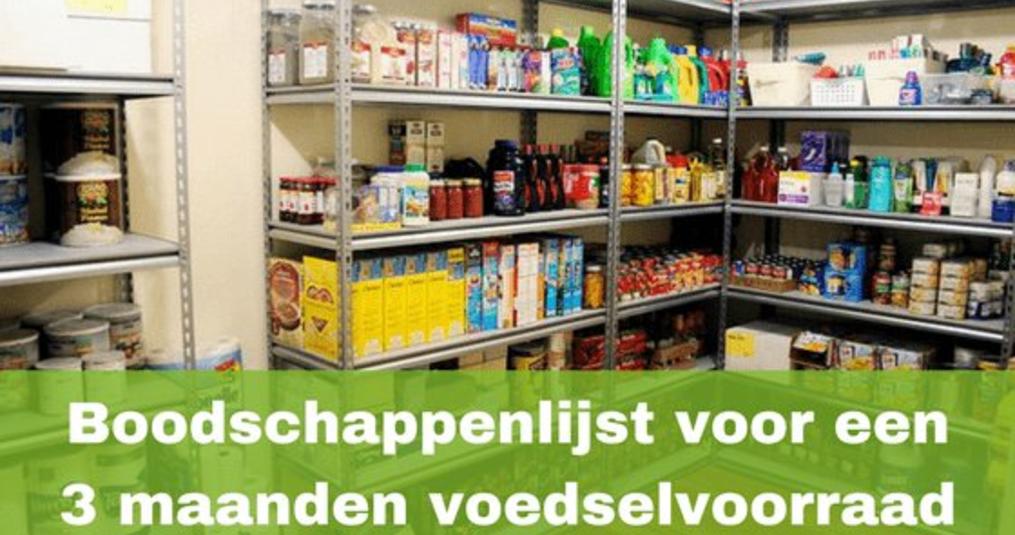
A three-month food supply: building your shopping list
Build a larger food supply around meals you actually eat. Plan portions, drinking water, preparation and storage separately.
A three-month food supply takes organisation above all. A fixed list of kilograms of rice and beans says little about what your household eats or can prepare. Start smaller and expand only what you can store and use.
Begin with a normal weekly menu
Write down breakfast, lunch, dinner and snacks for a familiar week. Count servings per person, recording allergies, specialist diets and pets separately. Use the product labels to work out the quantities you need.
Three months is roughly thirteen weeks. This is a planning example, not a prescribed quantity or personal dietary advice. Household size, eating habits and limited cooking facilities will change the list.
Divide your list into usable groups
- Ready to eat: shelf-stable products whose labels allow eating without preparation.
- Meal ingredients: grains, pulses and other foods you normally use.
- Accompaniments: vegetables, fruit and other parts of your regular diet.
- Personal needs: appropriate food for allergies, infant feeding and pets.
Dry rice and pasta need water, time and a suitable heat source. Write the preparation requirements beside each recipe. Your initial supply should also be useful when cooking is unavailable.
Plan water and storage separately
The Netherlands' Denk Vooruit baseline concerns three days; a three-month supply is your own extension. Its starting guidance includes three litres of water per person per day. A large food supply without suitable water and cooking arrangements is not a complete plan. Read the Dutch baseline list (Dutch). Check local guidance where you live too.
Keep your supply in rotation
Only buy extras when you understand their storage requirements and dates. Put older stock at the front, note opened packages and replenish what you use. Refrigerate leftovers where required and possible, following the label.
Turn the plan into a shopping list
Subtract usable supplies already at home from your weekly menu before buying. Try a week first and adjust anything that does not work. Browse long-life food, learn about storing canned food and use the preparedness guide for the other parts of your plan.
Choose an addition that suits what you eat and can prepare. Check each product for its contents, preparation and shelf life.